
Uncategorized
8 Essential Bubble Hash Tips: Europe’s Solventless
Sep
8 Essential Bubble Hash Tips: Europe’s Solventless
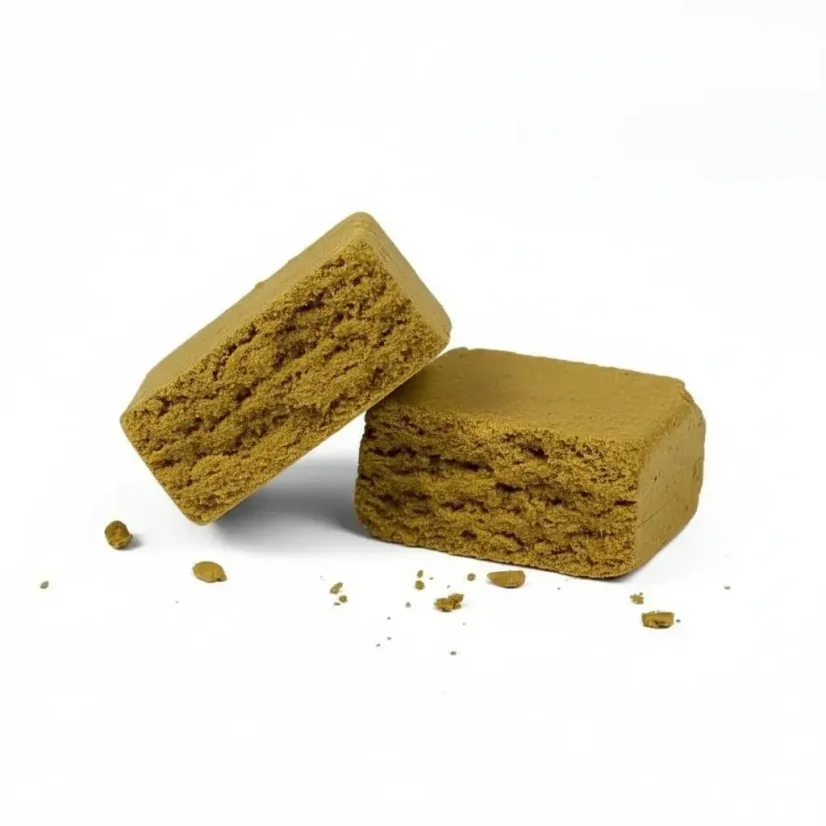
Bubble hash is the foundation of the entire European solventless hashish movement — the technique from which mousse hash, static hash, and every other modern artisan concentrate ultimately derives. Before there were whipped textures and static separation, there was ice water, agitation, and micron screens. And despite the emergence of newer techniques, bubble hash remains the most widely produced, most widely consumed, and most fundamental form of solventless hashish in Europe.
Yet despite its ubiquity — or perhaps because of it — bubble hash is frequently misunderstood. Many consumers cannot distinguish between grades, cannot assess melt quality accurately, and do not understand how the extraction process determines every quality characteristic of the final product.
This guide delivers 8 essential bubble hash tips that every European connoisseur — whether beginner or experienced — needs to understand. From extraction fundamentals to consumption technique, from grading systems to product selection, these eight tips give you the complete knowledge base for navigating Europe’s solventless bubble hash market with confidence.
Tip 1: Understand What Bubble Hash Actually Is — and What It Is Not
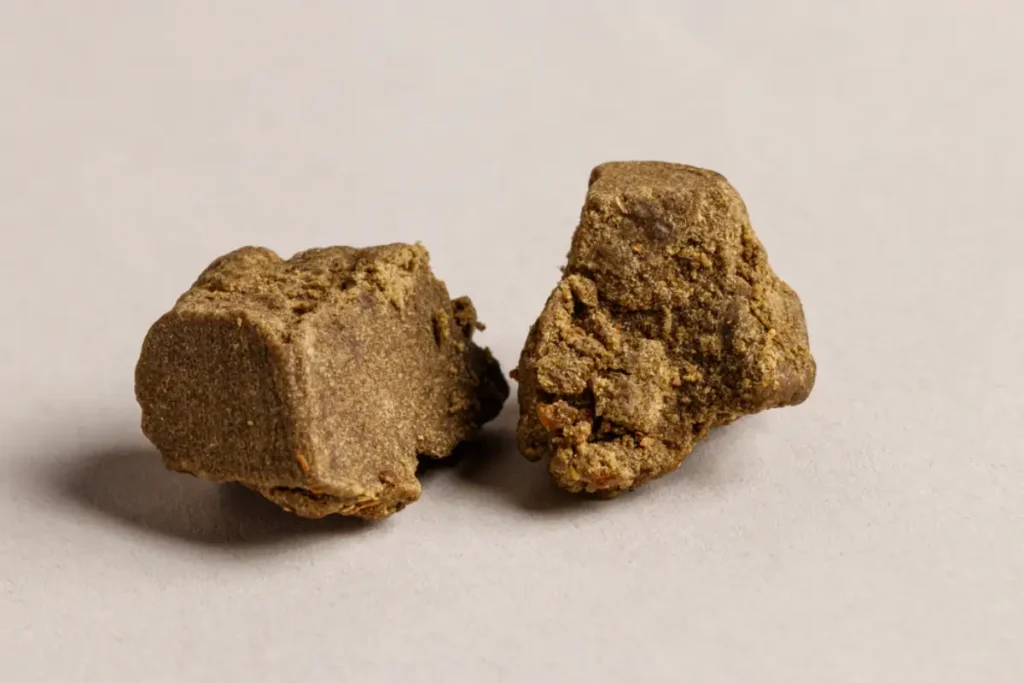
The first and most fundamental tip: bubble hash is not a product category defined by texture, colour, or effect. It is defined by its extraction method. Bubble hash — also known as ice-water hash, water hash, or ice-o-lator hash — is any cannabis concentrate produced by agitating frozen cannabis plant material in ice water and filtering the detached trichome heads through a series of mesh screens of decreasing micron size.
The Key Principles
Temperature is the tool: Freezing the trichome heads makes them brittle. Ice-cold water keeps them frozen. Agitation breaks the frozen resin glands off the plant surface. Without the temperature control, the trichomes remain pliable and do not separate cleanly.
Water is the medium, not the solvent: The ice water does not dissolve the resin — it is a mechanical carrier. The trichome heads are physically detached from the plant surface by the agitation, and the water carries them to the screens where they are filtered by size.
Screens define the grades: Different micron screen sizes capture different fractions of the trichome population. Larger trichome heads are caught on coarser screens; smaller heads and contaminant particles pass through to finer screens. This screening system is what produces the multiple bubble hash grades that connoisseurs evaluate.
No chemical solvents are used: This is what makes bubble hash “solventless.” Unlike BHO, CO2, or ethanol extracts, bubble hash uses only water, ice, and mechanical agitation. The result is a product that contains only the compounds naturally present in the trichome heads — no residual solvents, no chemical residues.
Understanding what bubble hash is — and what it is not — is the foundation for every other tip in this guide. If you cannot define the product correctly, you cannot evaluate it accurately.
Tip 2: Learn the Grade System — Micron Sizes Determine Everything
The single most important quality indicator for any bubble hash product is its screen grade — the micron size of the mesh that captured the resin. The grade determines the purity, the melt quality, the flavour, and the price. Learning the grade system is non-negotiable for anyone who wants to buy bubble hash Europe with knowledge rather than guesswork.
The Standard Grade Ranges
220μm and above (1st wash): The coarsest grade. Contains the largest trichome heads but also the most plant contamination — stalk fragments, leaf particles, and other debris. This grade is typically the lowest quality and is often reprocessed or excluded from premium product lines.
160-190μm (2nd wash): Better quality. Contains mature trichome heads with moderate plant contamination. This grade can produce a decent melt and acceptable flavour but is not considered premium.
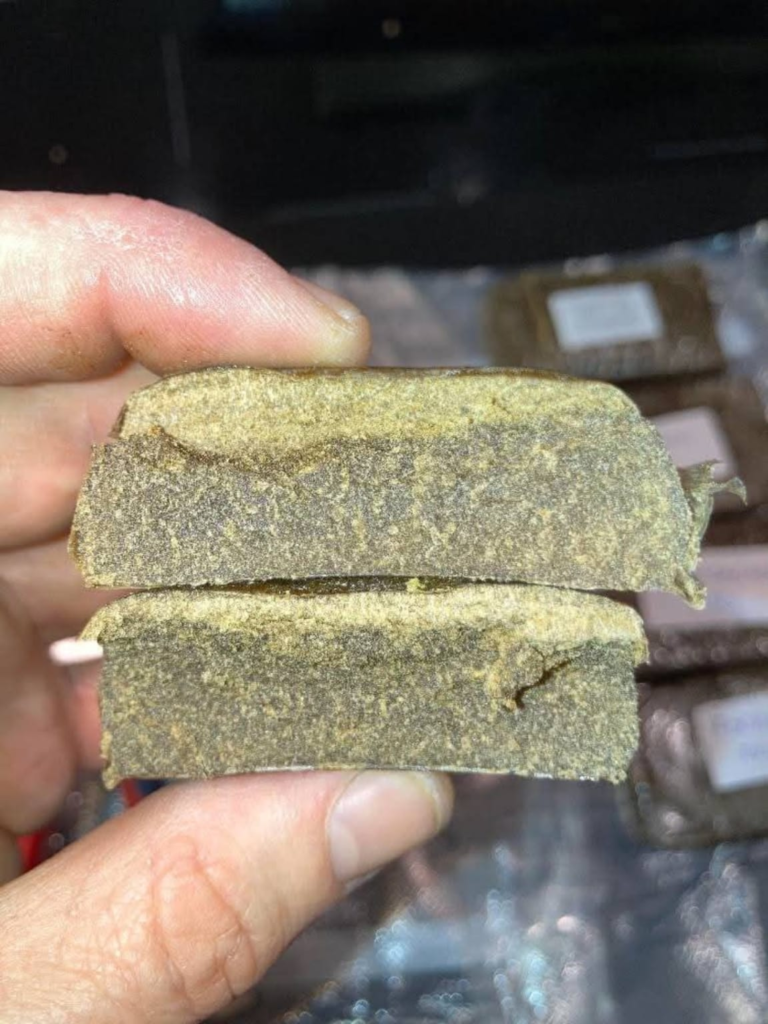
120μm (3rd wash): The threshold of premium quality. The 120u premium hash grade — exemplified by 120u Premium Hash — is where bubble hash becomes genuinely connoisseur-grade. Plant contamination is significantly reduced, trichome maturity is more uniform, and the melt quality approaches full melt.
90μm (4th wash): Premium grade. High trichome maturity, minimal plant contamination, full or near-full melt. This grade produces the most expressive terpene profiles and the cleanest combustion behaviour.
70μm and below (5th-6th wash): The finest grades. These are the “full melt” grades — virtually pure trichome heads with minimal to no plant contamination. These grades produce the cleanest melt, the most intense flavour, and the highest potency. They are also the lowest yield and the highest price.
Why the Grade Matters More Than the Brand
A poorly produced 70μm grade will still outperform a well-produced 160μm grade in terms of purity, melt, and flavour. The screen grade is the physical limit on quality — no amount of brand prestige or marketing can overcome the limitations of a coarser screen. When you evaluate bubble hash Europe products, always look for the grade. If the seller does not state the micron size, ask. If they cannot answer, you do not have enough information to make an informed purchase.
Tip 3: The Melt Test Is Your Most Reliable Quality Check
Forget aroma. Forget colour. Forget texture. If you want to know the true quality of a bubble hash product, there is one test that matters above all others: the melt test.
How to Perform the Melt Test
Take a small piece of the hash — roughly the size of a grain of rice. Apply gentle, even heat. A butane torch angled from a distance, a clean nail heated to low temperature, or even a lighter held far enough to provide gentle radiant heat will work. Observe what happens:
Full melt: The hash liquefies completely, bubbling evenly and becoming a clear, golden-amber liquid. No residue, no charring, no blackened remnants. This is the premium standard — the result you expect from 70-90μm grades of premium bubble hash.
Near-full melt: The hash mostly liquefies but leaves a small amount of thin, light-coloured residue. This is characteristic of 120μm grades and still represents good quality.
Partial melt / bubble and char: The hash bubbles but also chars, leaving dark residue and ash. This indicates significant plant contamination and is characteristic of coarser grades (160μm+) or poorly executed extraction.
No melt / burn only: The hash crumbles and burns without liquefying, leaving substantial ash. This is low-grade hashish — not premium bubble hash by any definition.
Why the Melt Test Is Definitive
The melt test reveals the trichome purity directly. Pure resin melts. Plant material burns. The ratio of melt to char tells you the ratio of resin to contamination — and that ratio is the single most important quality metric for any solventless bubble hash product. If a seller claims premium quality but the product chars, the claim is false. The melt does not lie.
Tip 4: Know the Difference Between Bubble Hash and Mousse Hash
The bubble hash vs mousse hash question is one of the most common in the European connoisseur community — and the answer is more nuanced than most people realise.
The Core Difference
Bubble hash is the product of ice-water extraction and screening. It is defined by its extraction method. The texture ranges from pliable and tacky (for the finest grades) to crumbly and dry (for coarser grades). It is the foundational technique.
Mousse hash is bubble hash that has undergone an additional hand-working process — a low-temperature whipping or folding technique that introduces air into the resin matrix, creating the light, spongy, mousse-like texture that defines the category. Mousse hash is always made from bubble hash, but bubble hash is not always mousse hash.
What This Means for You
If you want the pure, unmodified expression of the extraction — the resin exactly as it came off the screens — choose bubble hash. Bubble Hash from Calimousse Europe delivers this in its classic form.
If you want the enhanced terpene release and aerated texture that the whipping process provides — the “mousse” experience — choose mousse hash. The whipped structure increases the surface area and creates a more explosive aromatic release.
Both products start from the same extraction. The difference is in the post-extraction processing. Neither is inherently superior — they offer different experiences from the same quality base.
Tip 5: Proper Consumption Technique Preserves Terpenes
Bubble hash — especially the premium grades — contains some of the most volatile, temperature-sensitive terpenes in the cannabis plant. If you consume it using a direct-flame method, you destroy a significant portion of those terpenes before they reach your palate. The consumption technique you choose directly determines how much flavour you actually experience.
Recommended Consumption Methods (Ranked by Flavour Preservation)
Vaporisation (low temp): A dry herb vaporiser set to 160-180°C provides the best terpene preservation. The hash melts into the chamber, releasing terpenes at temperatures that preserve their molecular structure. This is the single best way to experience the full bubble hash flavour profile.
Dab rig (low temp): A clean quartz banger heated to just above the melt point and allowed to cool before applying the hash. The controlled heat melts the product cleanly and vapourises the terpenes without combustion. This method prioritises potency and melt quality.
Hot knife / blade: The classic method — two heated metal blades used to vaporise the hash between them. Effective but less precise than vaporisation.
Bowl topping: Sprinkling crumbled bubble hash on top of flower in a pipe or bong. This works but the direct flame destroys surface terpenes before they can be tasted.
Joint mixing: Mixing bubble hash into a joint with flower. The most wasteful method for terpene preservation — the burning paper and direct flame degrade terpenes heavily. Acceptable for casual consumption but not for quality evaluation.
For the full connoisseur experience, always choose vaporisation or low-temp dabbing. Your terpenes — and your wallet — will thank you.
Tip 6: Storage Is the Difference Between Great Hash and Disappointing Hash
A perfectly extracted, full-melt 70μm bubble hash product will degrade into a mediocre, partially-melting disappointment if stored improperly. The bubble hash melt quality you experience on day thirty depends entirely on how you stored the product during the previous twenty-nine days.
Storage Best Practices
- Temperature: Refrigerate at 2-8°C. This is not optional for premium grades. Room temperature storage causes terpene evaporation and texture degradation within days.
- Light: Opaque, light-blocking containers only. UV exposure degrades cannabinoids and terpenes.
- Air: Airtight containers with minimal headspace. Every gram of air in the container is oxygen that will slowly oxidise your product.
- Moisture: Keep it dry. Silica packets in the storage container help. If you see condensation, you have a moisture problem that could lead to mould.
- Handling: Minimise touching the product with bare hands. The oils and moisture on your skin transfer to the hash and accelerate degradation.
Tip 7: The Best Bubble Hash in Europe Comes From Trusted Artisan Sources
The European bubble hash market has matured significantly — but quality still varies enormously between sources. The best products come from artisan producers who control every step of the process: cultivar selection, harvest timing, fresh-freezing, extraction temperature, screen grade selection, and post-extraction handling.
Products That Represent the Best of European Bubble Hash
- Bubble Hash: The classic product — premium grade, full-melt, cultivar-expressive. This is the standard against which other bubble hash products are measured.
- 120u Premium Hash: The sweet spot of the grade system. The 120μm screen captures mature trichome heads with significantly reduced plant contamination, producing a product that delivers near-full melt quality at a more accessible price than the ultra-fine 70μm grades.
- Ice Labz Hash: A craft producer that has built a reputation on precision ice-water extraction. Ice Labz Hash demonstrates what skilled extraction from premium starting material delivers — clean, potent, and consistently high-quality ice water hash.
Tip 8: Bubble Hash Is Not Just a Product — It Is a Foundation
The final tip is the most important one for understanding the European artisan hashish market: bubble hash is not just a product you buy and consume. It is the foundation on which every other premium solventless product is built.
Mousse hash begins as bubble hash — then gets hand-worked into its aerated form. Static hash begins as bubble hash — then gets static-separated into its ultra-pure grades. The ice water hash extraction process is the common starting point for the entire artisan hashish category.
When you understand bubble hash — its grades, its melt quality, its terpene expression, its storage requirements — you understand the foundation of everything else. Mousse hash, static hash, and other artisan products are variations on the bubble hash theme — refinements and elaborations that build on the same fundamental extraction.
This is why these 8 essential bubble hash tips matter for every European connoisseur, not just bubble hash enthusiasts. Whether you are buying classic bubble hash, exploring mousse hash, or investing in static premium grades, the knowledge in this guide applies. The extraction is the same. The quality markers are the same. The evaluation methods are the same.
Master bubble hash, and you master the language of European artisan hashish.
Explore premium bubble hash products at Calimousse Europe — where artisan extraction meets connoisseur quality.
